


NEW DELHI/JOHANNESBURG: The decision by G20 envoys to finalise a draft leaders’ declaration without U.S. input is more than a diplomatic anomaly, it is a moment of structural significance in the evolution of global governance. For the first time, the world’s most influential economic forum has reached consensus while its historically dominant member stands intentionally absent, signalling both a shift in diplomatic weight and a hardening of geopolitical fractures that will shape the years ahead.
Washington’s boycott, driven by President Donald Trump’s rejection of South Africa’s climate-adaptation and debt-relief agenda, is not a mere protest. It marks a deeper retreat from multilateral diplomacy at a moment when global systems are being tested by rising temperatures, unsustainable debt, and shifting power blocs.
A G20 declaration without the United States carries symbolic weight, the Global South’s priorities remain on the table, but its operational strength is diminished.
Commitments to climate financing, debt restructuring, and development reform risk becoming aspirational in the absence of the world’s largest economy and most influential lender.
Yet South Africa’s persistence in steering the process to a draft declaration is equally significant. It signals an Africa confident in shaping global debates rather than merely participating in them. Johannesburg has framed the summit around solidarity, vulnerability, and climate justice, themes long sidelined in Western-led economic forums. By securing alignment from major emerging economies, Pretoria demonstrated that multilateralism does not collapse when Washington withdraws; instead, it shifts centre of gravity.
India’s assertive engagement further reinforces this shift. Prime Minister Narendra Modi’s arrival in Johannesburg marked by a strong cultural welcome from the Indian diaspora underscored New Delhi’s growing role as a stabilising force in global politics.
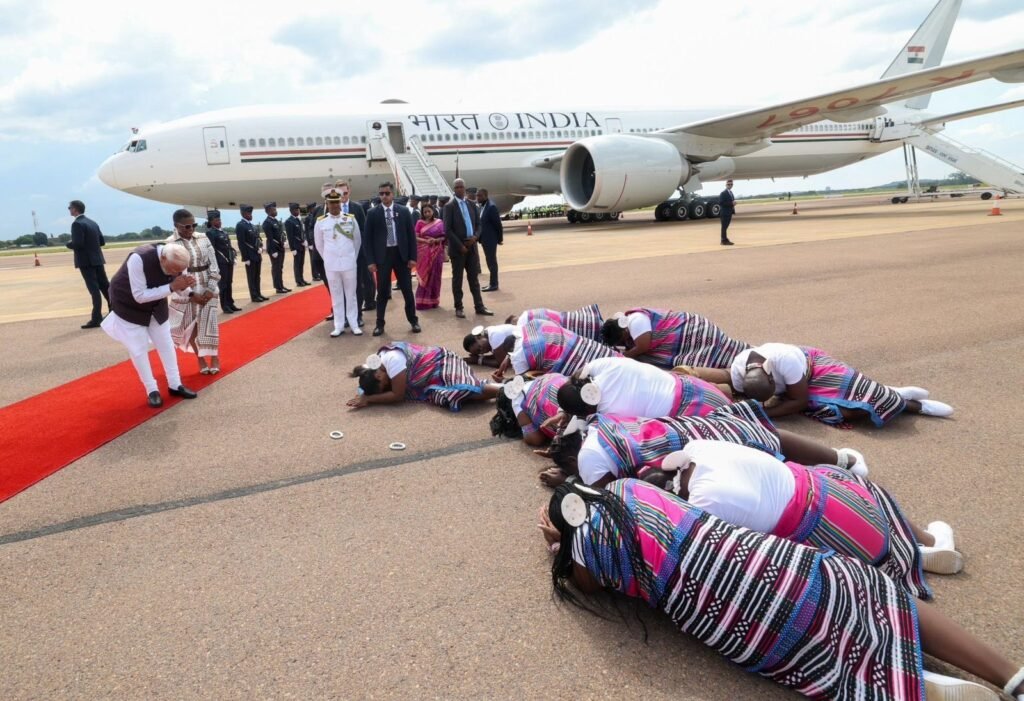
India is positioning itself not as a junior partner to the West nor as a rival to China, but as an autonomous leader capable of anchoring Global South priorities while maintaining strategic balance among major powers. Modi’s packed schedule of bilateral conversations and leadership dialogues reflects this ambition: India wants to hold the multilateral space together even as the old order shows visible fractures.
The geopolitical implications extend far beyond the summit. If the United States maintains its adversarial stance toward forums that do not conform to its political messaging, multilateral institutions will be forced to reorganise around consortiums of emerging economies. This evolution may produce a more diverse and representative global order, but it will also be more fragmented, driven by coalitions that form and dissolve depending on immediate economic needs or political alignments. The age of uniform consensus is over; variable-geometry diplomacy is the new normal.
China’s position in this landscape is both central and contested. Beijing stands to gain influence in forums where Washington is absent, yet its own assertive posture and strategic rivalries create hesitation among many Global South states. Johannesburg demonstrates a subtle but important dynamic: emerging powers want Chinese participation, but not Chinese dominance. This multipolar tension will define the architecture of global governance in the decade to come.
In the near term, the Johannesburg draft declaration may not transform global policy, but it represents the opening chapter of a new geopolitical configuration. The world is testing whether multilateralism can survive and even evolve without guaranteed American leadership. The answer emerging from South Africa is cautiously affirmative: global forums can function, but the scale of their ambition will depend on who stays committed when challenges intensify.
As Washington recalibrates its role in the world and emerging powers assert theirs, the G20 is becoming a mirror of geopolitical reality rather than a mechanism to shape it. Johannesburg shows that leadership now belongs to those who show up, negotiate, and compromise not those who walk away.
⁃ Dr. Shahid Siddiqui | Follow on X @shahidsiddiqui