



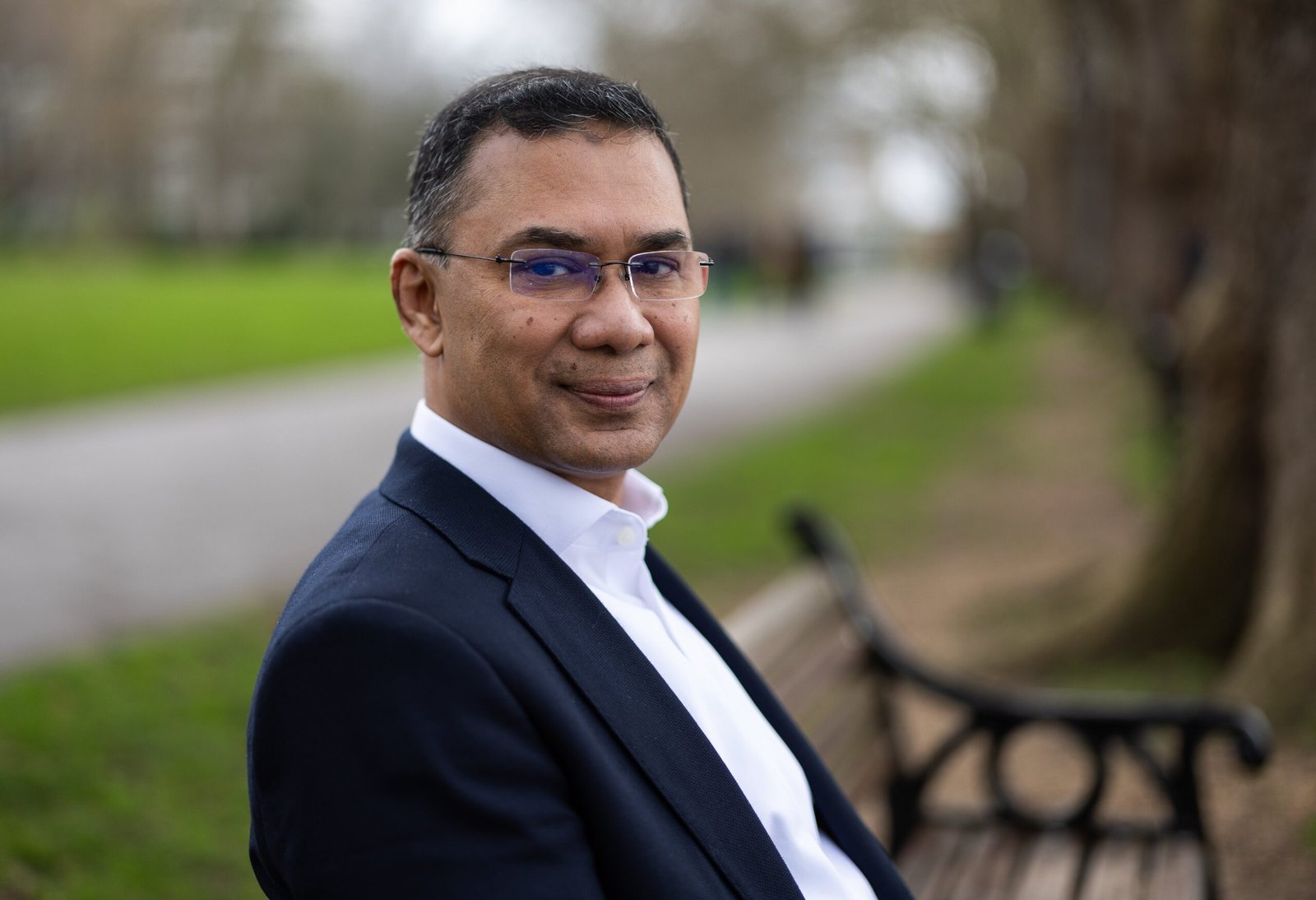
DHAKA: Tarique Rahman, son of former Bangladesh prime minister Khaleda Zia and a central figure in the opposition Bangladesh Nationalist Party (BNP), returned to Dhaka on Thursday after more than 17 years in self-imposed exile, marking a major political moment ahead of national elections scheduled for February 12.
Rahman, 60, arrived at Hazrat Shahjalal International Airport with his wife and daughter amid tight security. His return follows years in London, where he relocated in 2008 for medical treatment after alleging torture during custody under a military-backed caretaker government that ruled from 2006 to 2008.
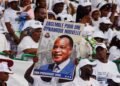
The homecoming triggered massive scenes of support. Crowds stretching nearly two kilometers between the airport and a designated reception venue gathered overnight, with senior BNP leaders claiming turnout in the millions. It took Rahman nearly four hours to reach a temporary stage as his convoy struggled through packed streets.
Addressing supporters, Rahman pledged to work toward stability, safety, and social harmony in a country grappling with deep political uncertainty.
“I have a plan for the people of my country. Let us build a safe Bangladesh,” he said. “We want peace—peace, peace, peace. We will build a Bangladesh that every mother dreams of.”
Following the rally, Rahman said he would visit a hospital to see his ailing mother, Khaleda Zia, who served as prime minister twice, most recently from 2001 to 2006. Zia entered politics after the assassination of her husband, former president and army chief Ziaur Rahman, in a 1981 coup. She later became a dominant force in Bangladesh’s two-party system.
Rahman’s return comes as Bangladesh navigates a fragile transition under an interim administration led by Nobel Peace Prize laureate Muhammad Yunus. The caretaker government is tasked with restoring order and steering the country back to democratic rule after the fall of former prime minister Sheikh Hasina’s 15-year tenure in 2024.
Hasina, Zia’s long-time political rival, was sentenced to death in absentia in November on charges related to crimes against humanity linked to a violent crackdown during a mass uprising. She fled to India last year, which has since declined to extradite her.
In Rahman’s absence, he functioned as the BNP’s de facto leader, regularly addressing party meetings and rallies online from London. He maintained firm control over the party, facing no serious internal challenge despite prolonged exile.
His legal standing has also shifted significantly. During Hasina’s rule, Rahman was convicted in multiple cases, including one linked to a 2004 grenade attack on a rally addressed by Hasina. Under the current interim government, appellate courts have overturned all convictions, clearing him of criminal charges.
Despite initially supporting Yunus when he assumed office as chief adviser, relations between the BNP and the interim government have grown strained. Human rights organizations and liberal voices within Bangladesh have accused the administration of curbing press freedom, weakening democratic safeguards, and allowing increased space for Islamist groups—allegations the government disputes.
As the election approaches, Rahman’s return reshapes the political landscape, positioning him as a leading contender at a moment when Bangladesh faces both democratic opportunity and deep institutional anxiety.
-Juhas Alamgheeer