




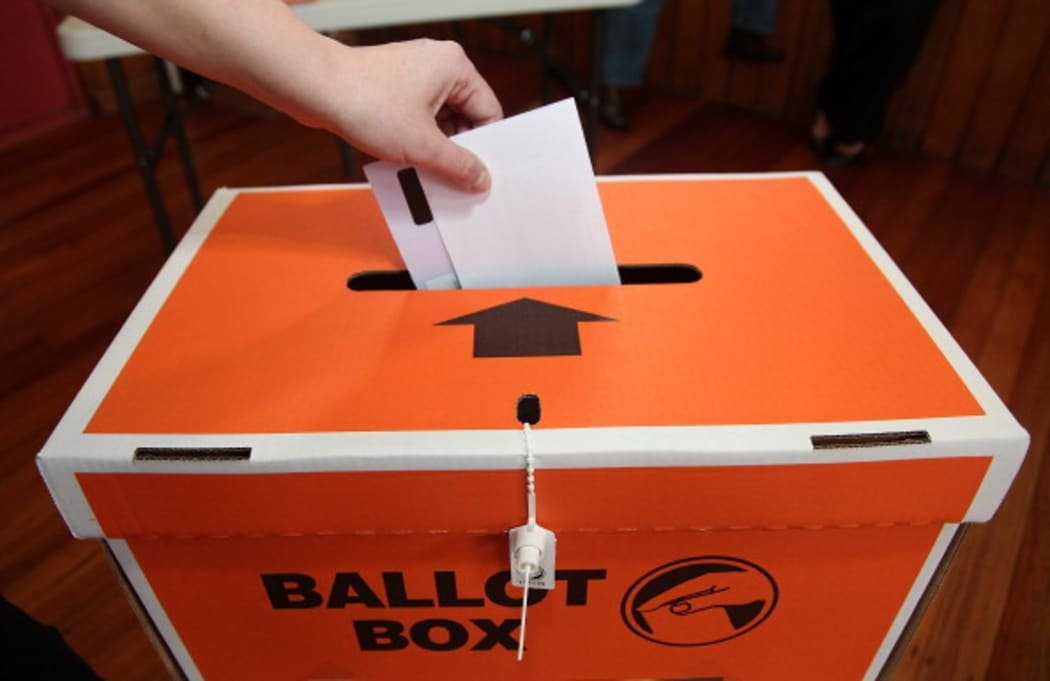
WELLINGTON, New Zealand: New Zealand will hold its next national election on November 7, Prime Minister Christopher Luxon announced Wednesday, setting the stage for a closely fought contest focused on the rising cost of living, housing affordability, and economic recovery.
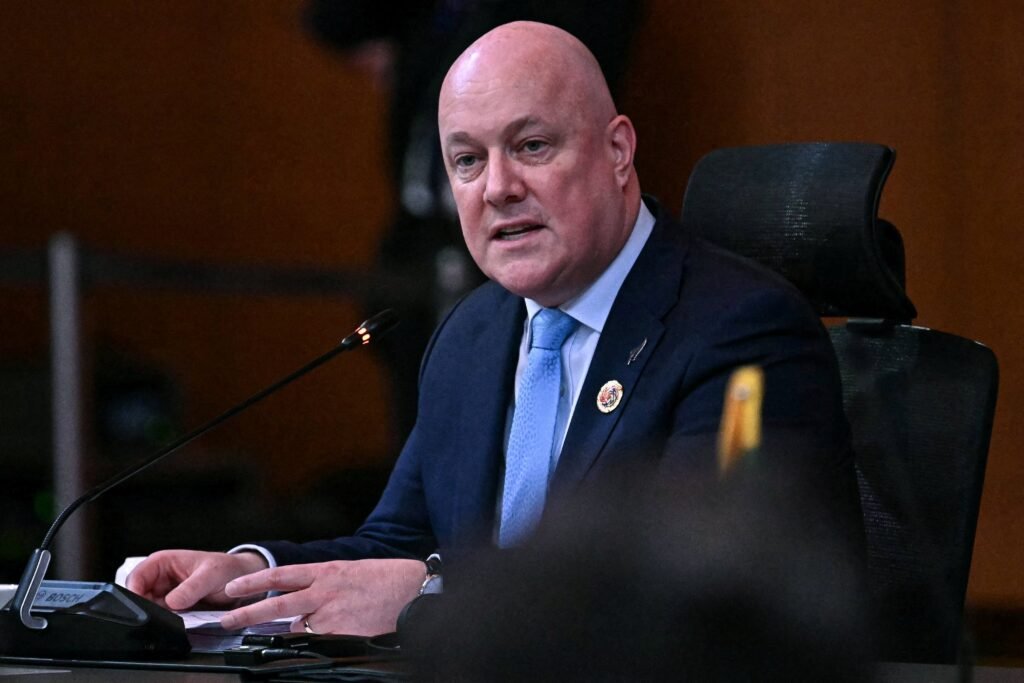
Luxon, who leads the center-right National Party, will seek a second term as voters assess whether his post-pandemic economic agenda has delivered meaningful relief. The center-left Labour Party, led by Chris Hipkins, has regained momentum since its heavy defeat in the 2023 election, and analysts expect a tight race.
New Zealand’s elections are held every three years, with the government choosing the date. Voters select both a party and a local candidate to represent their electorate in Parliament. The country’s unicameral legislature means the winning coalition wields significant power over national policy.
Economic pressure remains central to the campaign. Speaking at a party retreat in Christchurch, Luxon highlighted his government’s efforts to stabilize the economy after COVID-19, acknowledging that many citizens have endured “two years of hard grind.” The economy contracted by 0.5% over the past year, while migration to Australia has reached record levels. Luxon blamed the previous Labour-led government, saying he had “inherited a mess.”
Analysts note that inflation is easing and business confidence is improving, giving Luxon hope that voters will begin to feel the impact of his reforms before November.
Hipkins, however, dismissed Luxon’s claims as “management-speak mumbo-jumbo,” arguing that the government has failed to deliver on promises to lower housing costs and improve access to public healthcare. He also accused National of prioritizing tax cuts over essential infrastructure and social investment.
Funding for infrastructure and pensions is expected to be another major battleground. Luxon criticizes Labour for increasing national debt, while Hipkins says National has wasted public funds on unaffordable tax policies.
In a political coincidence, the premiership will again be contested by two men named Christopher, as it was in 2023. Luxon, 55, is a former CEO of Air New Zealand and Unilever executive who entered Parliament in 2020 and quickly rose to party leadership. Critics say his wealth and business background make him out of touch with ordinary voters.
Hipkins, 47, entered Parliament in 2008 and previously served as health and education minister before briefly becoming prime minister in 2023 after Jacinda Ardern’s resignation. While he failed to prevent Labour’s electoral collapse that year, he has since worked to rebuild the party’s standing. Critics on the left call him too cautious, while opponents on the right continue to link him to unpopular pandemic lockdowns.
Under New Zealand’s proportional voting system, coalition-building is essential. Luxon currently governs with the libertarian ACT Party and the populist New Zealand First, led by veteran politician Winston Peters, who now serves as foreign minister and has historically aligned with both major parties.
Hipkins, if victorious, would likely seek support from the Green Party and Te Pāti Māori, which represents Indigenous Māori interests and has more recently aligned with Labour.
Single-term governments are rare in New Zealand. The last time a government was voted out after just one three-year term was in 1975, adding further significance to the upcoming contest.
-McGuirk
READ THE FULL E-MAGAZINE | WorldAffairs: Where Power Shifts, Economies Collide, and Global Policy Is Decoded