

EXCLUSIVE INTERVIEW
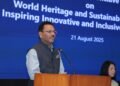
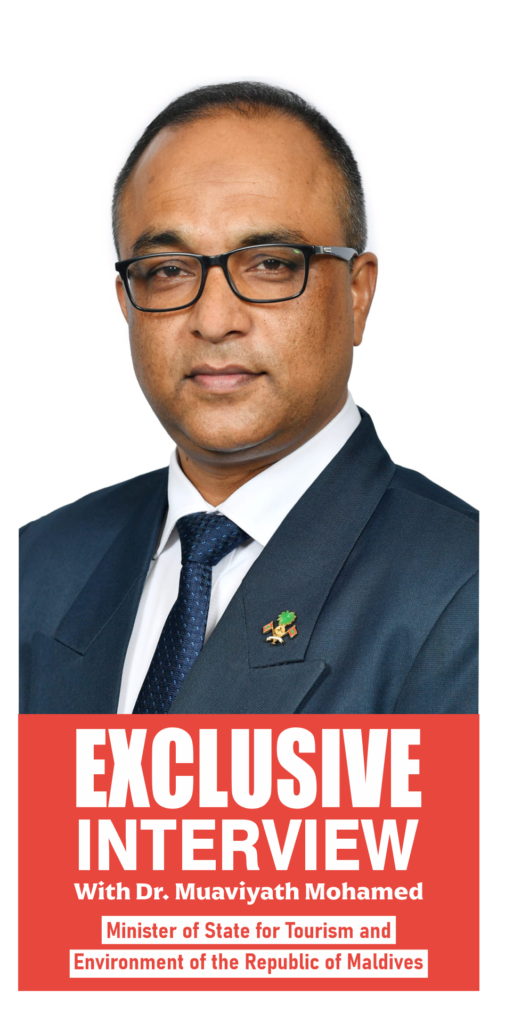
Welcome to WorldAffairs, the international affairs magazine of the WorldAffairs News Network (WNN). In this exclusive conversation, we speak with Dr. Muaviyath Mohamed, Minister of State for Tourism and Environment of the Republic of Maldives, at a time when the global order is undergoing profound transformation.
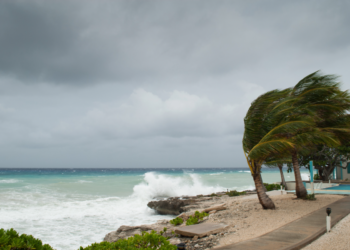
As geopolitical tensions intensify and climate challenges grow more severe, countries of the Global South are increasingly shaping international debates on sustainability, development, and environmental governance. For the Maldives, one of the world’s most climate-vulnerable island nations these global discussions are not abstract policy matters but questions of national survival.
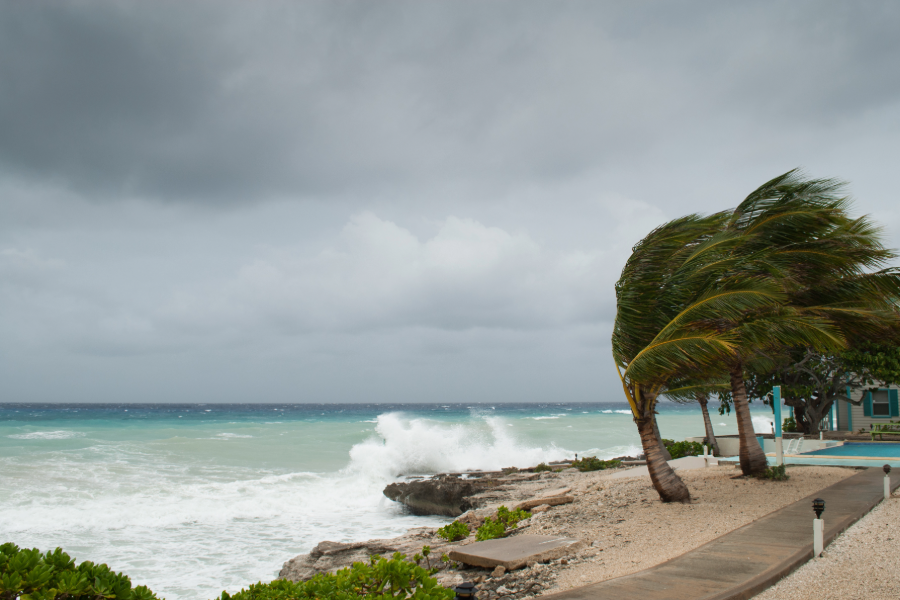
Renowned for its strong advocacy on climate action, marine conservation, and sustainable tourism, the Maldives has emerged as a leading voice among Small Island Developing States (SIDS) and a key participant in global climate diplomacy. In this wide-ranging interview, Dr. Muaviyath Mohamed discusses the Maldives’ environmental priorities, the evolving model of sustainable and regenerative tourism, and the country’s role in strengthening global climate resilience.
The interview was conducted by Dr. Shahid Siddiqui, Editor-in-Chief of WorldAffairs.
Dr. Shahid Siddiqui: At the World Sustainable Development Summit, Maldivian representatives emphasized that multilateralism is a matter of survival for small island states. How do you see global cooperation evolving to address the existential threat of sea-level rise facing the Maldives?
Dr. Muaviyath Mohamed: Our survival depends on strengthened, action-oriented multilateralism. We must see multilateral institutions evolve from forums for discussion into mechanisms that deliver finance, technology transfer, and legally binding commitments on emissions and adaptation. For the Maldives, this means rapid scaling of global finance for coastal protection, island resilience, and planned relocation where necessary; guaranteed access to affordable climate technology and capacity building; and clear pathways to limit warming to 1.5°C. We also need innovative multilateral instruments such as regional emergency response pacts, pooled insurance facilities, and fast-track approval channels for climate projects so that small island states can implement adaptation measures at the speed this crisis requires.
Dr. Shahid Siddiqui: The Maldives is among the most climate-vulnerable countries, with most of its territory made up of ocean and low-lying islands. What immediate global policy actions are necessary to ensure the survival of Small Island Developing States over the next decade?
Dr. Muaviyath Mohamed: First, we need a rapid doubling of concessional climate finance focused on adaptation and loss and damage, with simplified access for SIDS. Second, there should be strong restrictions on new high-carbon infrastructure and a massive scaling of green investment directed toward coastal defenses, freshwater security, and renewable energy systems. Third, technology transfer agreements must remove intellectual-property and cost barriers that limit access to climate solutions suitable for island nations. Finally, the world must commit to binding emissions reductions consistent with the 1.5°C target, with clear accountability. Without deep emissions cuts, many small island states may not survive for many more decades.
Dr. Shahid Siddiqui: With coral bleaching, coastal erosion, and rising sea levels intensifying across the Indian Ocean region, what innovative climate-adaptation strategies is the Maldives implementing?
Dr. Muaviyath Mohamed: We are pursuing a portfolio approach that combines nature-based solutions with engineered infrastructure and community resilience programs. This includes large-scale coral restoration, reef rehabilitation, and mangrove reforestation. At the same time, we are developing raised infrastructure, seawalls in critical areas, and island reclamation projects built to international sustainability standards. Community resilience measures include portable water systems, climate-resilient housing, and diversified livelihoods. We are also piloting floating infrastructure, elevated transport links, and digital early-warning systems integrated with national disaster response networks. All of these initiatives are guided by scientific research and strict environmental assessments to ensure the protection of marine ecosystems.
Dr. Shahid Siddiqui: Tourism remains the backbone of the Maldivian economy. How is the government balancing tourism growth with environmental protection and marine biodiversity conservation?
Dr. Muaviyath Mohamed: Our strategy links tourism growth with environmental stewardship. We enforce zoning regulations and carrying-capacity limits, require environmental impact assessments for all major developments, and tie resort licensing to strict standards on waste management, water use, and reef protection. Resorts are encouraged to adopt waste-to-energy systems, efficient desalination technology, and advanced sewage treatment to prevent marine pollution. Importantly, tourism revenues are reinvested into conservation initiatives and community resilience programs, while reef health monitoring helps guide adaptive management policies.
Dr. Shahid Siddiqui: The Maldives is internationally recognized as a sustainable tourism destination. What policies are being introduced to promote eco-resorts, renewable energy, and carbon-neutral tourism infrastructure?
Dr. Muaviyath Mohamed: We are incentivizing green investment through tax benefits, fast-track approvals, and concessional financing for resorts that meet strict sustainability certifications. National standards require progressive integration of renewable energy, improved energy efficiency, and modern wastewater treatment systems in new tourism projects. We are promoting solar micro-grids, battery storage systems, and hybrid energy solutions suited to island environments. At the same time, we are developing a certification and labeling program that recognizes carbon-neutral tourism designs and regenerative environmental practices.
Dr. Shahid Siddiqui: In a world increasingly focused on climate footprints, how can island destinations transform tourism into a regenerative model rather than simply a sustainable one?
Dr. Muaviyath Mohamed: Regenerative tourism focuses on restoring ecosystems instead of merely reducing harm. In the Maldives, we are encouraging resorts to actively finance coral reef restoration, mangrove expansion, and local conservation initiatives. Community-based tourism models allow local communities to benefit economically while participating in environmental stewardship. Guest education programs also support conservation funding, and supply chains are gradually shifting toward locally sourced and environmentally responsible products. Some resorts are now measuring ecological net-gain and investing in projects that produce measurable biodiversity and social benefits.
Dr. Shahid Siddiqui: During your recent engagement in New Delhi, you highlighted the close relationship between the Maldives and India. How do you envision deeper collaboration between the two countries in climate resilience and renewable energy?
Dr. Muaviyath Mohamed: India is a vital partner for the Maldives. We see opportunities for expanded cooperation in renewable energy development, grid resilience technologies, climate adaptation financing, and marine scientific research. Potential initiatives include solarization programs for islands, joint coral restoration research centers, and coordinated disaster preparedness systems. Strengthening institutional partnerships and co-financing mechanisms will enable larger, more impactful projects that benefit both countries.
Dr. Shahid Siddiqui: Given the shared ecosystem of the Indian Ocean, how important is regional cooperation in addressing marine pollution, coral degradation, and sustainable fisheries?
Dr. Muaviyath Mohamed: Regional cooperation is essential because these environmental challenges do not respect national boundaries. We need shared monitoring networks, joint research initiatives, harmonized fisheries regulations, and coordinated maritime pollution response mechanisms. By pooling expertise, data, and resources, countries in the region can achieve better environmental outcomes while lowering costs.
Dr. Shahid Siddiqui: The Indian Ocean is becoming increasingly significant in global geopolitics. How can environmental diplomacy contribute to stability in the region?
Dr. Muaviyath Mohamed: Environmental diplomacy can be a powerful driver of stability. Shared environmental threats encourage cooperation through joint conservation zones, transboundary fisheries agreements, and coordinated maritime protection measures. Effective ocean governance also helps reduce conflicts over resources and promotes collaborative monitoring against illegal activities such as unregulated fishing.
Dr. Shahid Siddiqui: Do you believe climate change will become one of the defining geopolitical issues of the 21st century?
Dr. Muaviyath Mohamed: Absolutely. Climate change is already reshaping geopolitics by influencing migration patterns, resource competition, and strategic maritime interests. For small island states, the issue is existential. Climate policy must therefore be integrated into global security and development strategies.
Dr. Shahid Siddiqui: The Maldives is expanding renewable energy initiatives. What are the biggest barriers small island states face in transitioning to clean energy?
Dr. Muaviyath Mohamed: High upfront costs, limited grid capacity, and shortages of technical expertise are major barriers. Small markets also make it difficult to attract private investment, while supply-chain constraints can delay the deployment of specialized equipment. Overcoming these challenges requires concessional financing, regional procurement systems, technical training, and strong policy frameworks that encourage long-term investment.
Dr. Shahid Siddiqui: Climate finance has long been a concern for vulnerable nations. What reforms would make global funding mechanisms more effective?
Dr. Muaviyath Mohamed: Climate finance must become faster, more predictable, and better suited to the needs of SIDS. Simplified application procedures, larger grant-based financing for adaptation and loss and damage, and concessional loans with longer repayment periods are essential. Dedicated facilities for rapid response to climate disasters would also be valuable. Transparency and faster disbursement are critical.
Dr. Shahid Siddiqui: As the Maldives looks toward the next decade, what is your vision for building a climate-resilient “Ocean Nation”?
Dr. Muaviyath Mohamed: Our vision is a Maldives powered primarily by renewable energy, protected by resilient infrastructure, and supported by healthy coral reefs and mangrove ecosystems. We aim to develop diversified, climate-smart economic opportunities while strengthening institutions that can effectively access global climate finance and technology. We also aspire to lead regionally in ocean science, sustainable fisheries, and low-carbon tourism.
Dr. Shahid Siddiqui: Finally, what message would you like to share with global leaders ahead of upcoming climate negotiations?
Dr. Muaviyath Mohamed: The Maldives calls on global leaders to act with urgency and solidarity. Protecting small island states is not an act of charity, it is a moral responsibility and a matter of collective security. Governments must commit to strong emissions reductions aligned with the 1.5°C target, deliver substantial climate finance for adaptation and loss and damage, and support technology transfer and capacity building. Time is not on our side. The decisions taken today will determine whether entire nations survive this century.
READ THE FULL E-MAGAZINE | WorldAffairs: Understand the World Before It Shapes You