

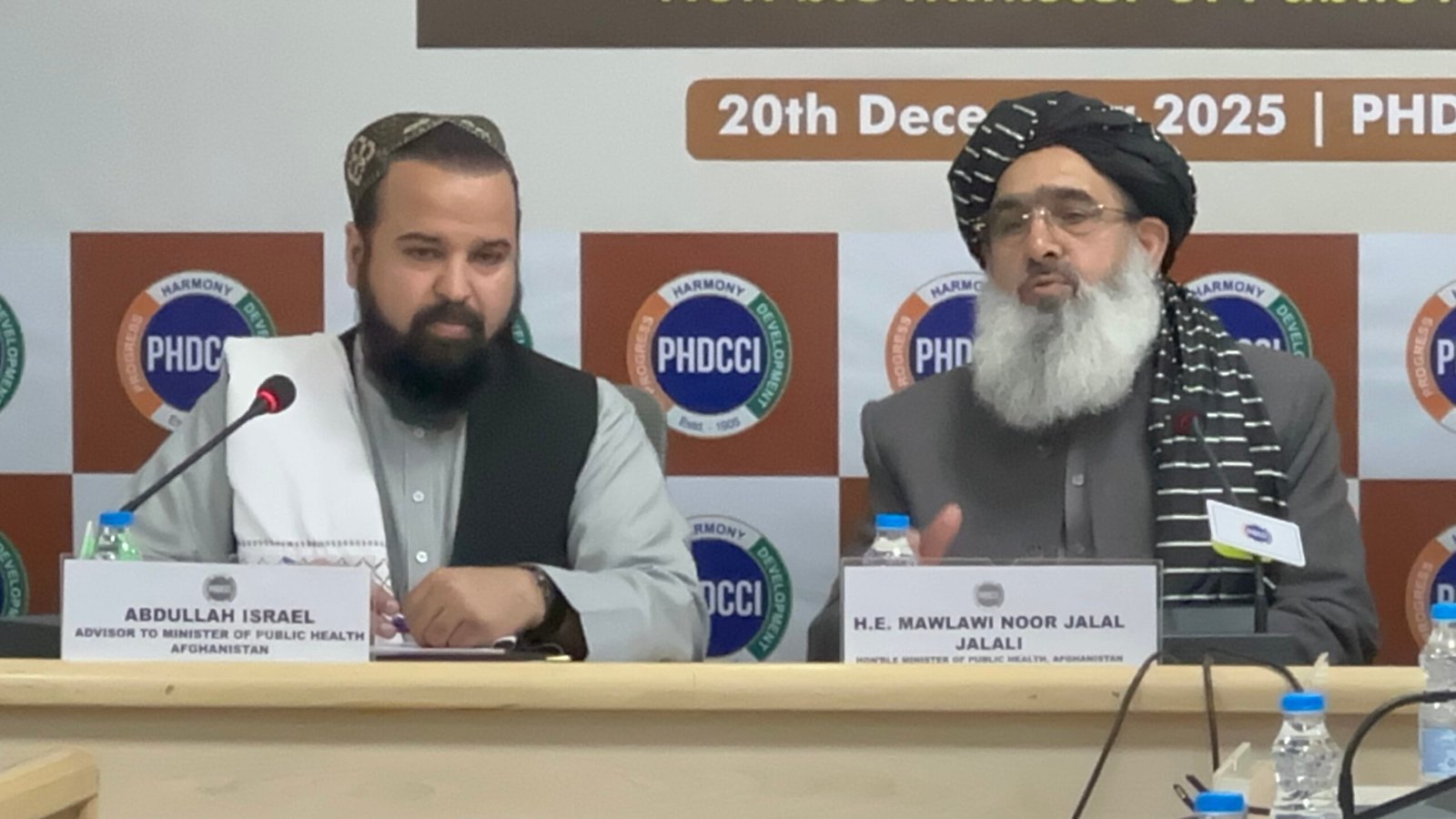
NEW DELHI: Afghanistan is increasingly looking to India as a major alternative source for its pharmaceutical and healthcare needs amid a sharp deterioration in ties with Pakistan, Afghanistan’s Minister of Public Health, Mawlawi Noor Jalal Jalali, said on Saturday.
Speaking with WorldAffairs in New Delhi, Jalali said Pakistan had earlier supplied nearly 60–70 per cent of Afghanistan’s pharmaceutical requirements, but recent political and logistical disruptions had forced Kabul to diversify its supply chains. “Afghanistan’s pharmaceutical market was largely dependent on Pakistan. Due to recent issues, we had to explore alternative solutions, and India is one of the most important partners,” he said.
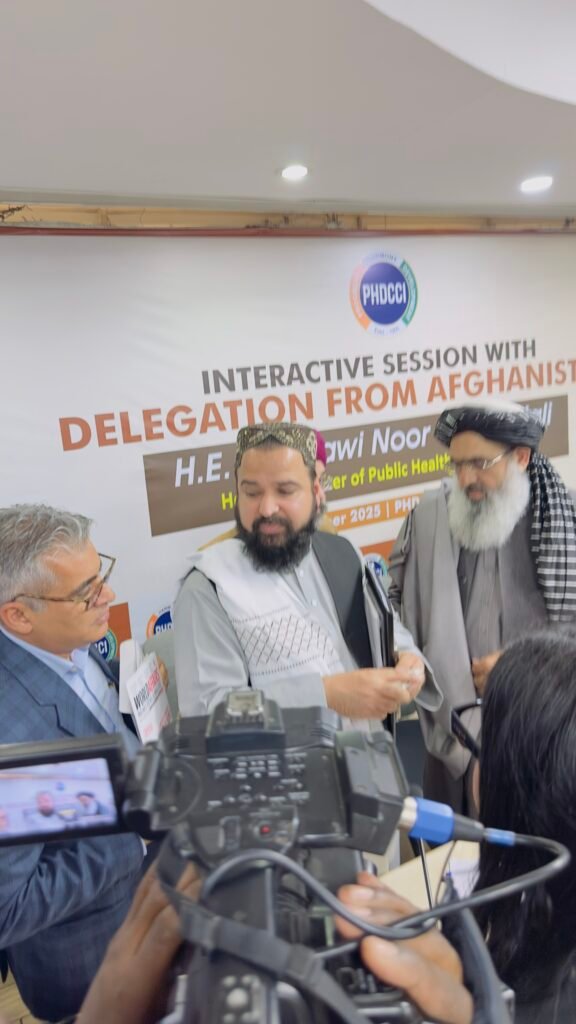
Stressing a strictly humanitarian and health-focused approach, Jalali underlined that political differences should not obstruct cooperation in public health. “As the Minister of Public Health, I have only one enemy disease. If I can fight it with the help of any country, I will seek that assistance,” he said, while acknowledging that Afghanistan’s relationship with Pakistan has “deteriorated.”
Jalali said Kabul was keen to open a “new chapter” of cooperation with India, citing long-standing people-to-people ties and India’s credibility as a reliable supplier of quality and affordable medicines. His visit to India coincides with New Delhi’s continued humanitarian outreach to Afghanistan despite evolving regional and geopolitical dynamics.
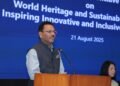
The Afghan health minister is in India to attend the Second WHO Global Summit on Traditional Medicine, where he also held discussions with Minister of State for AYUSH Prataprao Jadhav on expanding cooperation in traditional systems of medicine, including Ayurveda, Unani, and Homeopathy. The Ministry of AYUSH said the talks reaffirmed a shared commitment to promote traditional medicine as a pillar of people-centric healthcare.
Jalali also met Union Health Minister J P Nadda, with discussions focusing on humanitarian and medical assistance. During the engagement, India handed over consignments of cancer medicines and vaccines to Afghanistan and announced the dispatch of a larger shipment of medicines, vaccines, and a 128-slice CT scanner to strengthen Afghanistan’s healthcare infrastructure.
The visit marks Jalali’s first official trip to India and includes a series of engagements with the Indian pharmaceutical industry. An Afghan public health delegation led by Jalali is visiting India until 21 December 2025 to explore cooperation in pharmaceuticals and healthcare, including imports of Indian medicines and traditional formulations.
The delegation is scheduled to meet Indian pharmaceutical manufacturers and stakeholders to better understand India’s healthcare ecosystem and discuss opportunities to improve healthcare standards in Afghanistan, reduce reliance on substandard imports, and upgrade the technical capacity of Afghan pharmaceutical facilities.
The meetings are being facilitated by the Pharmaceuticals Export Promotion Council of India (Pharmexcil), which has invited Indian companies to explore trade, collaboration, and investment opportunities in Afghanistan’s public healthcare system.
The visit follows growing commercial engagement between the two sides. Last month, a trade delegation led by Afghanistan’s Minister of Industry and Commerce, Alhaj Nooruddin Azizi, visited India, resulting in a USD 100 million memorandum of understanding signed in Dubai between Afghanistan-based Raoufi International Group and India’s Zydus Lifesciences. Under the agreement, Zydus will initially export medicines to Afghanistan and subsequently establish a representative office and begin local drug production, with technical know-how transfer already underway.

–