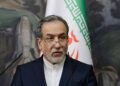



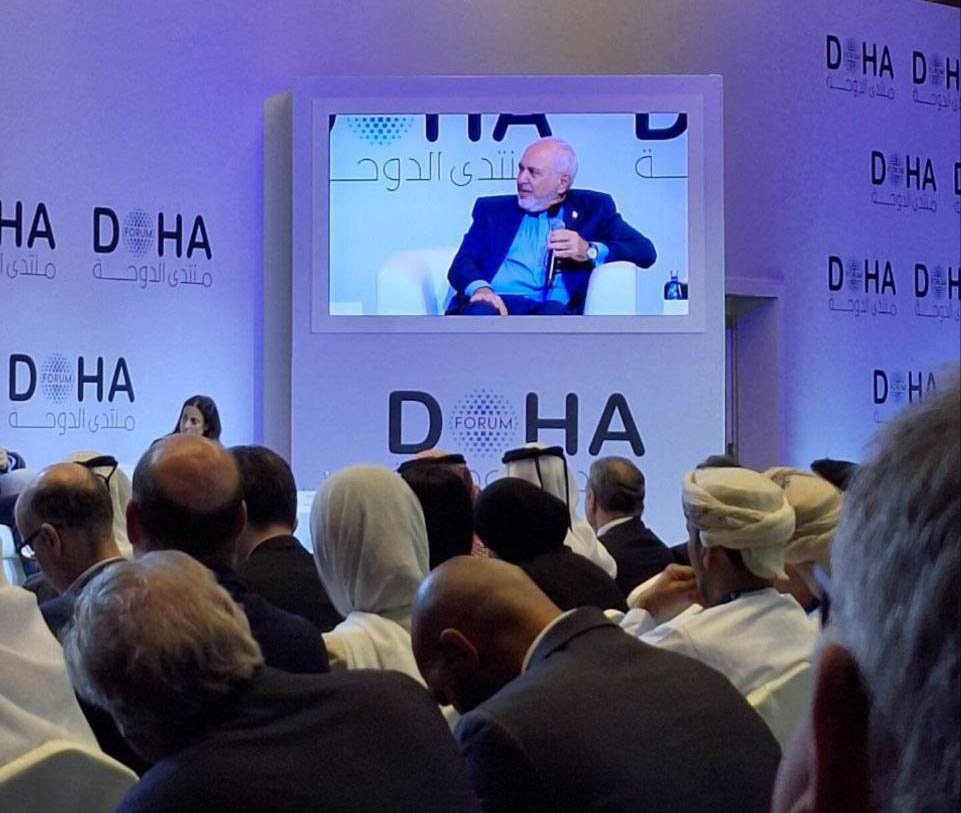
DOHA, Qatar: The first day of Doha Forum 2025 crystallized a fundamental question haunting Middle Eastern diplomacy: Can a region addicted to crisis management ever learn to prioritize development over deterrence? Iran’s former foreign minister Mohammad Javad Zarif arrived with an audacious proposition that the Middle East must abandon its security-first mentality for economic integration. But his most revealing moment came not in formal sessions but in pointed questions that cut to the heart of regional hypocrisy: “Why does Iran have to pay for the cause of Arabs, especially fighting for Palestinians? Why does Iran have to be blamed for every other Middle Eastern problem?”
These weren’t diplomatic niceties. They were calculated provocations that reframed decades of regional finger-pointing and exposed the uncomfortable reality that Iran has often carried costs for causes that Arab states themselves have rhetorically championed but practically abandoned.
Qatar’s insistence that Gaza’s ceasefire remains “not complete” until Israeli withdrawal and genuine stability are achieved set the Forum’s demanding tone. Prime Minister Sheikh Mohammed bin Abdulrahman Al Thani rejected the familiar pattern of technical agreements that leave underlying structures unchanged. This wasn’t diplomatic hedging, it was recognition that sustainable peace requires institutions, not just ink on paper.
Zarif seized this opening to articulate Iran’s most sophisticated regional pitch in years. Gone was the revolutionary rhetoric of resistance at any cost. Instead, he offered what amounted to a grand bargain: Iran’s “robust and autonomous” security capabilities aren’t going anywhere, the world must “come to terms” with that reality. But Tehran’s policy orientation could evolve from threat-perception to development-focus, provided regional actors commit to “depoliticizing and desecuritizing” their relationships.
The GCC’s heated pushback wasn’t mere diplomatic theater. Their criticism reflected genuine grievances about Iranian support for non-state actors, missile programs, and maritime provocations. But Zarif’s response was telling, he didn’t defend specific Iranian actions. Instead, he challenged the entire framework that holds Iran uniquely responsible for regional instability while other actors escape scrutiny.
This rhetorical jujitsu served multiple purposes. It positioned Iran as bearing costs for neglected causes, questioned Arab states’ actual commitment to issues they claim to prioritize, and demanded more equitable burden-sharing in regional problem-solving. When Zarif asked why Iran should fight for Palestinians while Arab states remained passive, he wasn’t just deflecting criticism, he was exposing the gap between Arab rhetoric and action that has characterized Palestinian solidarity for decades.
The Forum’s broader discussions reinforced Zarif’s development thesis. Bill Gates’s focus on transforming Africa from food importer to agricultural powerhouse through AI and technology illustrated what “desecuritized” regional cooperation might accomplish. Syria’s Ahmed al-Sharaa outlined five-year democratic transition plans emphasizing institutions over individuals. Even Turkey’s commitment to do “whatever it takes” on Gaza suggested willingness to invest real resources in implementation rather than symbolic gestures.
Yet the day’s most significant development was Qatar’s quiet demonstration of multidirectional diplomacy through the Amir’s bilateral meetings with leaders from Syria, Somalia, Mauritania, Ghana, and Lebanon. These weren’t ceremonial photo-ops but working sessions that translate Forum themes into concrete bilateral frameworks, the kind of patient, incremental cooperation that sustainable regional transformation requires.
The heated exchanges between Zarif and GCC Secretary General, rather than representing diplomatic failure, created necessary preconditions for potential progress. Regional actors who refuse honest engagement, retreat into defensive rhetoric, or ignore fundamental disagreements create conditions for escalation. Those who engage seriously with criticism while articulating forward-looking visions, even when immediate agreement remains elusive, create possibilities for gradual movement toward cooperation.
Zarif’s presentation deserves neither romanticization nor dismissal. Iran’s regional track record provides legitimate grounds for skepticism about Tehran’s willingness to implement the strategic reorientation Zarif outlined. His development-first framework didn’t address specific security concerns generating GCC opposition, nor offer concrete mechanisms for verifying reduced Iranian securitization.
But his language matters because it signals where serious regional actors increasingly understand the strategic high ground to be located. In 2025, no government can credibly argue that military security without economic development offers sustainable foundations for regional stability. The emergence of development-focused discourse creates political space for conversations that must precede meaningful regional realignment.
The ultimate test won’t come in Doha’s hotel ballrooms but in quieter diplomatic channels over coming months. If Zarif‘s calls for “depoliticized, desecuritized, development-driven arrangements” generate sustained follow-up conversations across regional capitals, Doha 2025 will have served as more than another talking shop. It will have provided the framework where the Middle East began experimenting with alternatives to traditional competition patterns.
If Gaza’s “critical moment” passes without transformative implementation, and security concerns again overwhelm development priorities, then Doha’s eloquent speeches will stand as historical records of insufficient political will rather than failed ideas. The intellectual roadmap for cooperative regional arrangements now exists in considerable detail. Whether regional leaders possess the domestic political capital and strategic patience to implement long-term cooperation remains the defining question.
What became unambiguous is that the pathway forward has been mapped. Zarif’s challenge to Arab burden-sharing, Qatar’s insistence on complete rather than cosmetic solutions, and Gates’s technological optimism collectively outline routes toward regional arrangements addressing both immediate humanitarian crises and structural challenges. The question isn’t whether these pathways are theoretically viable, the Forum demonstrated they are. It’s whether regional leaders have the political courage to walk them, and whether their populations will support the patient cooperation sustainable change requires.
The roadmap exists. Who will follow it—and who will continue bombing the bridges along the way- remains to be seen.
-Dr. Shahid Siddiqui | Follow on X @shahidsiddiqui