



BEIJING: A wave of concert cancellations involving Japanese musicians has swept across major Chinese cities this week, as rapidly escalating diplomatic tensions between Beijing and Tokyo spill into the cultural arena.
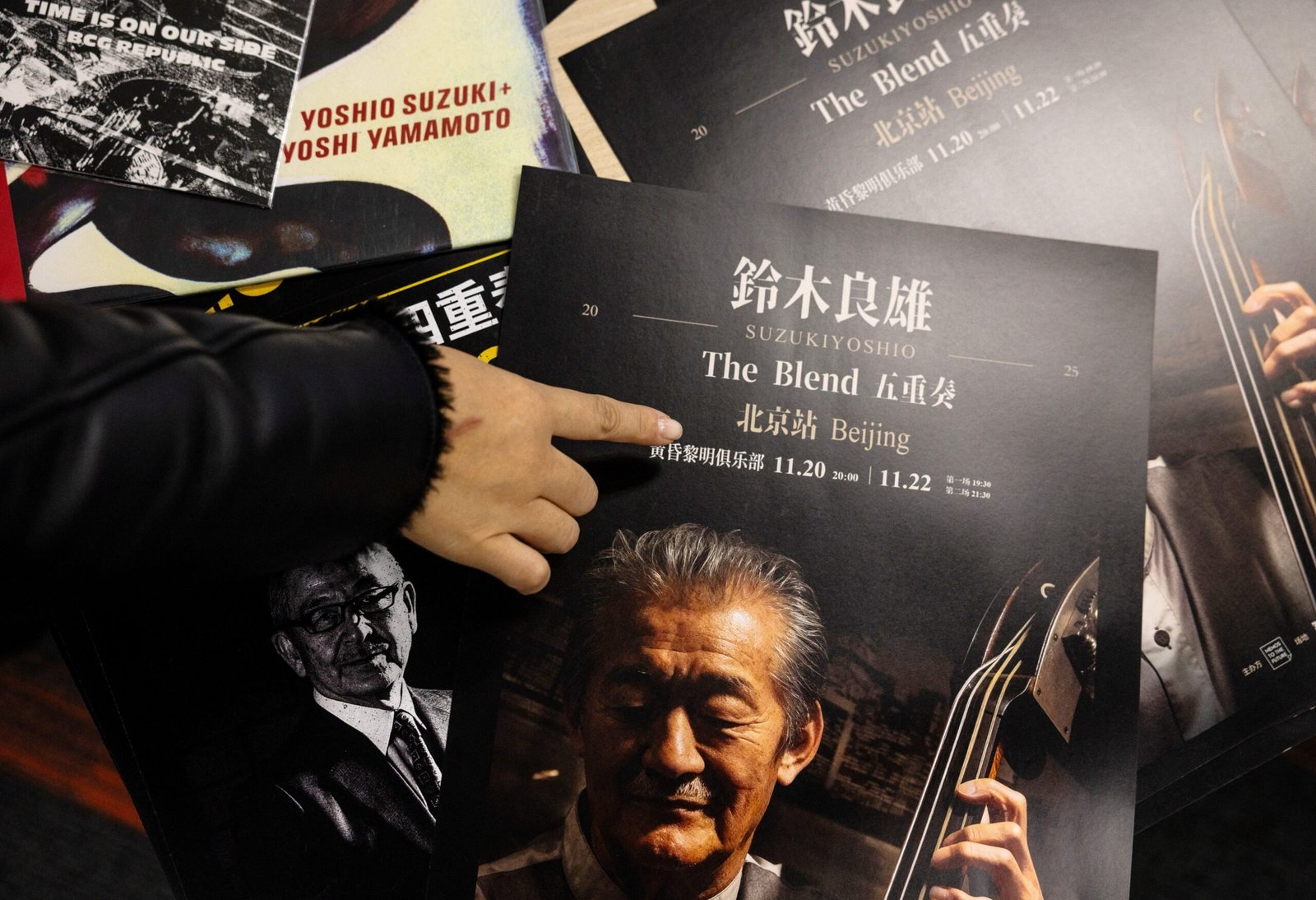
Japanese jazz legend Yoshio Suzuki, 80, and his quintet were minutes away from completing their sound check in Beijing when plain-clothes police arrived at the venue on Thursday afternoon.
“Within a minute, the venue owner told me police had ordered that all concerts involving Japanese performers are cancelled no discussion,” said German concert promoter and documentary filmmaker Christian Petersen-Clausen, who has lived in China for 13 years.
At least a dozen shows scheduled for 2025 featuring Japanese artists across Beijing, Shanghai, Chengdu and other major hubs have been abruptly called off. Promoters say authorities have also instructed venues not to file new applications for Japanese performers next year and to halt promotional messaging about upcoming shows involving Japanese artists.
The cancellations follow remarks by Japan’s new Prime Minister Sanae Takaichi, who warned that any Chinese attack on Taiwan threatening Japan’s survival could trigger a military response from Tokyo. Beijing condemned the comments, warning that Takaichi would “face consequences.”
China initially reacted with economic tools a tourism freeze and seafood import ban, but the fallout has now expanded to cultural and entertainment sectors.
Suzuki and his band had cleared a months-long performance-visa process. “They were incredibly excited to come to China,” Petersen-Clausen said. “The whole group was crushed when they heard.”
Cultural Boycotts Re-Emerge
Concerts by Japanese singer KOKIA and rapper KID FRESINO were also halted this week, sparking online anger. On Wednesday night, fans waiting outside KOKIA’s Beijing show were turned away even after the scheduled start time.
“KOKIA’s team told us the band was ready, but the venue refused to let them perform,” one fan wrote on RedNote. Videos on X showed crowds chanting: “Give us our money back!”
China has long used cultural restrictions as leverage in diplomatic disputes. Korean entertainment remains heavily constrained following the 2016 THAAD missile defence disagreement with Seoul, blocking major K-pop groups and Korean dramas from Chinese platforms.
Economic and Social Impact
Analysts warn that the latest cancellations could further strain China’s struggling services sector. Aside from refunded tickets, thousands of young fans have had to cancel hotel bookings and flights; Chinese staff at venues face reduced shifts.
Petersen-Clausen said most Chinese concertgoers “don’t discuss international politics” at shows. “We sometimes see anti-Japan sentiment online, but never at concerts,” he said. “Live music is a vital outlet for young people facing economic pressure.”
China’s foreign ministry did not respond to WNN’s request for comment.
-WORLDAFFAIRS