


DHAKA: Bangladesh is preparing for a national election scheduled in February 2026, marking the first vote since a student-led uprising ousted long-time leader Sheikh Hasina in August 2024. The ruling Awami League, the country’s largest political party, has been barred from contesting the election, setting the stage for a highly competitive and uncertain political landscape in the Muslim-majority nation of approximately 173 million people.
The Bangladesh Nationalist Party (BNP), led by former Prime Minister Khaleda Zia, emerges as the frontrunner amid this new political order. Founded in 1978 by Zia’s late husband, former President Ziaur Rahman, the BNP champions Bangladeshi nationalism, economic liberalism, and anti-corruption reforms. However, the party faces obstacles including Khaleda Zia’s declining health and the absence of her son Tarique Rahman, who leads the party in exile from London but has pledged to return ahead of the elections. Recent polls suggest the BNP could secure the most seats.
The Islamist party Jamaat-e-Islami, previously banned under Hasina’s government, re-entered the political arena following the uprising and is positioned as the second major player. Under Shqur’s leadership, Jamaat advocates for Islamic governance based on sharia law but is seeking to expand its appeal beyond its traditional conservative base. The party campaigns on promises of a “mafia-free society” and anti-corruption measures and has a history of coalition governance with the BNP.
A newer political force is the National Citizen Party (NCP), which grew out of the student movement that ignited the uprising. Led by 27-year-old Nahid Islam, the NCP advocates a reformist agenda including a new constitution, judicial reforms, free media, universal healthcare and education, and climate resilience. Despite strong street-level momentum, the NCP struggles with limited organization and funding, polling well behind the BNP and Jamaat.
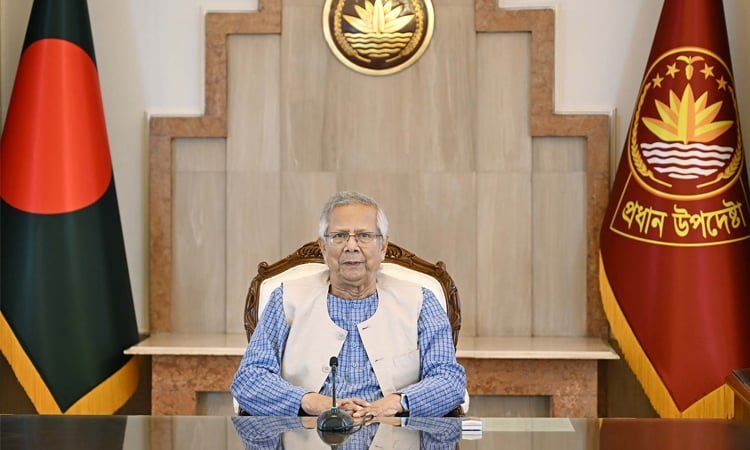
Key issues dominating the election revolve around restoring democracy after deadly protests led to an interim, unelected government headed by Nobel laureate Muhammad Yunus. Voters will also a national referendum on the “July Charter,” which proposes reforms such as greater parliamentary representation for women, term limits for prime ministers, stronger presidential powers, expanded fundamental rights, and enhanced judicial independence.
Economic recovery is another urgent concern as recent instability disrupted Bangladesh’s crucial export-driven garment industry. Relations with India also feature prominently, as ties remain strained due to New Delhi’s association with Hasina, who taken refuge in New Delhi since fleeing Bangladesh. This rift has created openings for China to deepen its engagement in the country.
Other central election themes widespread public frustration with endemic corruption, demands for independent judiciary free from political influence, calls for media freedom following years censorship and crackdowns under previous governments.
Bangladesh moves toward its February, the political landscape reflects nation at a crossroads, wrestling with the challenge of rebuilding democratic institutions amid volatile domestic and geopolitical forces.
-Clarence Fernandez