




MEXICO CITY: Mexico’s Congress has approved wide-ranging tariff increases on imports from China and other countries without free trade agreements with Mexico, marking a significant shift in the country’s trade policy amid mounting pressure from the United States.
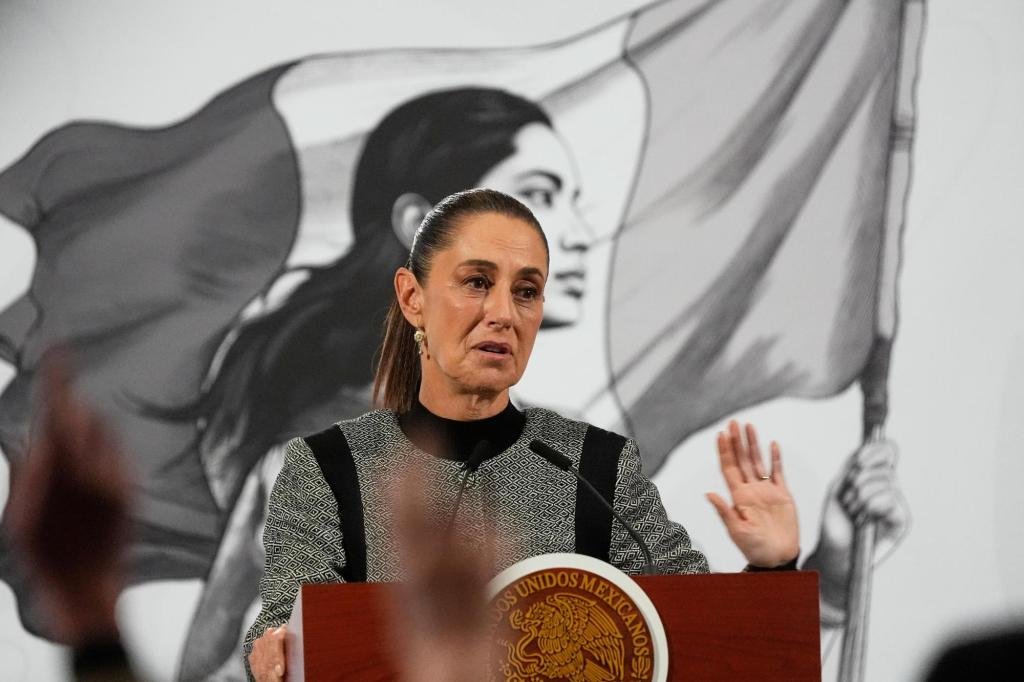
The Senate passed the measure late Wednesday with 76 votes in favor, five against and 35 abstentions, following approval by the lower chamber earlier the same day. President Claudia Sheinbaum’s ruling Morena party, which controls both chambers, backed the proposal, arguing that higher tariffs are needed to strengthen domestic manufacturing and reduce dependence on low-cost imports.
The new tariffs, which will come into force in January, cover more than 1,400 products and allow increases of up to 50 percent on items such as textiles, footwear, household appliances, vehicles and auto parts. China is expected to bear the brunt of the move, having exported roughly $130 billion worth of goods to Mexico in 2024 second only to the United States.
While the government has framed the decision as an industrial policy measure, analysts say the timing reflects ongoing negotiations with Washington. Mexico is seeking relief from existing U.S. tariffs on key sectors, including automobiles, steel and aluminum, imposed under former President Donald Trump, who has accused China of using Mexico as a conduit to access the U.S. market.
Beijing had already criticized the proposed hikes when they were first announced in September, warning that they could undermine bilateral trade and disrupt supply chains. Diplomatic friction could intensify as implementation approaches.
“The real driver is the United States,” said Oscar Ocampo, director of economic development at the Mexican Institute for Competitiveness. He noted that Mexico is positioning itself ahead of the upcoming review of the USMCA trade agreement, hoping to secure exemptions or reductions on U.S. tariffs still affecting Mexican exports.
Ocampo cautioned, however, that Mexico risks reshaping its commercial policy “in the wrong direction” by yielding to an unpredictable Washington. He warned that higher import costs could disrupt supply chains in sectors such as auto parts, plastics, chemicals and textiles, potentially fueling inflation at a time when Mexico’s economy is already slowing.
With implementation just weeks away, businesses across manufacturing and retail are now assessing the impact, while investors watch closely to see whether the tariff move succeeds in easing tensions with the U.S. or triggers new trade frictions with China.
-Ken Ferris