

SYDNEY: Australia imposed comprehensive financial sanctions and travel bans on four senior Taliban officials Saturday, escalating international pressure on Afghanistan’s ruling regime over its systematic oppression of women and girls. The targeted measures represent the latest effort by Western nations to hold the Taliban accountable for what human rights organizations describe as gender apartheid in Afghanistan.
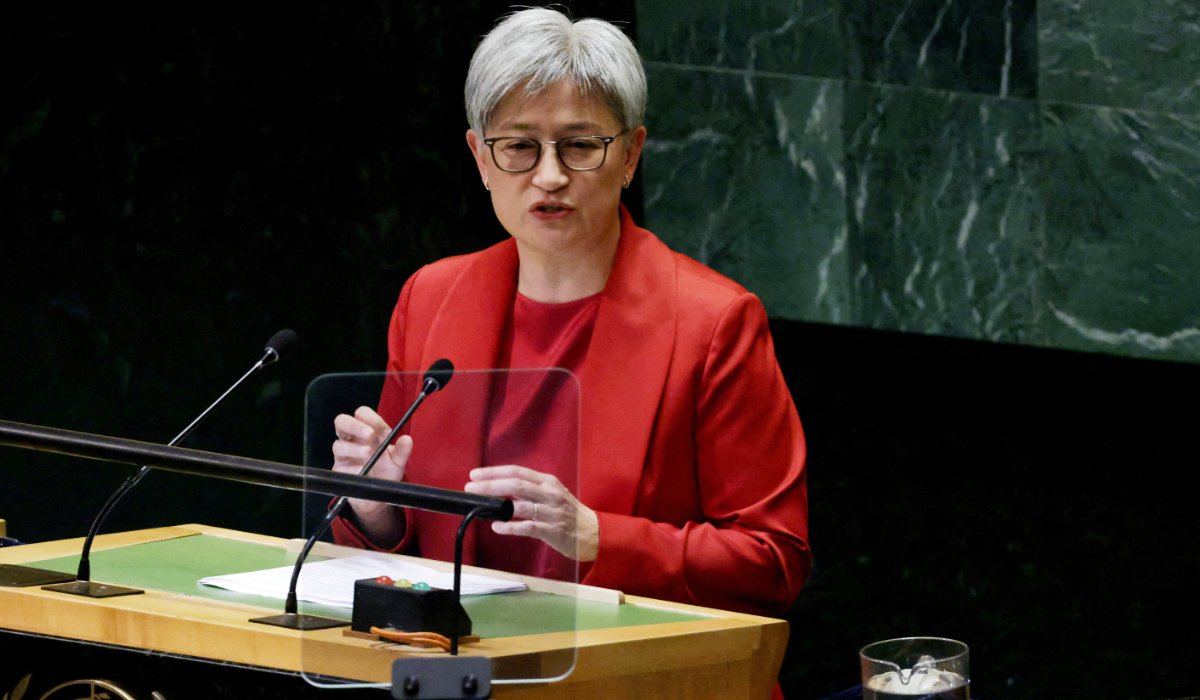
Foreign Minister Penny Wong announced the sanctions against three Taliban ministers and the group’s chief justice, accusing them of orchestrating policies that have stripped Afghan women and girls of fundamental rights to education, employment, freedom of movement, and participation in public life. The sanctions freeze any assets the officials may hold in Australian financial institutions and prohibit Australian citizens and entities from providing financial services to the designated individuals.
Systematic Erosion of Women’s Rights
Since regaining power in August 2021 following the withdrawal of NATO-led international forces, the Taliban has implemented increasingly restrictive policies targeting women and girls. The regime has banned girls from attending secondary schools and universities, prohibited women from most forms of employment, and barred them from parks, gyms, and public baths. Most recently, the Taliban has restricted women’s access to medical education and blocked them from working for non-governmental organizations.
Wong emphasized that the sanctions target officials directly responsible for “the oppression of women and girls and in undermining good governance or the rule of law” in Taliban-controlled Afghanistan. The move aligns Australia with similar actions taken by the United States, European Union, and Canada, which have imposed their own sanctions regimes targeting Taliban leadership.
International Coalition Against Taliban Policies
The Australian sanctions come as part of a broader international response to the Taliban’s governance approach. The United Nations has repeatedly condemned the regime’s restrictions on women’s rights, with UN Women describing the situation as an “all-out assault on women and girls.” No country has formally recognized the Taliban government, and Afghanistan remains largely isolated from the international community.
Australia was among the nations that participated in the 20-year military campaign in Afghanistan, contributing approximately 41,000 military personnel to various operations between 2001 and 2021. The country evacuated more than 4,100 people, including Australian citizens, Afghan interpreters, and other vulnerable individuals during the chaotic withdrawal from Kabul in August 2021.
Taliban’s Defense and International Response
Taliban officials have consistently defended their policies as consistent with their interpretation of Islamic law and Afghan cultural traditions. The regime argues that restrictions on women are temporary measures that will be reviewed once security conditions improve and proper Islamic governance structures are established. However, international observers note that these restrictions have become increasingly permanent and comprehensive over the past three years.
The sanctions specifically target individuals whom Australian intelligence agencies have identified as key architects of anti-women policies. While Australia has not disclosed the names of the sanctioned officials, similar measures by other Western nations have typically focused on ministers of education, justice, and interior affairs, along with senior religious authorities.
Humanitarian Crisis Deepens
Beyond women’s rights violations, Afghanistan faces a severe humanitarian crisis with over 24 million people requiring assistance according to United Nations estimates. The country’s economy has collapsed since the Taliban takeover, with international development aid largely suspended and banking systems severely restricted due to sanctions.
Women’s rights activists, many operating underground or from exile, have praised international sanctions while calling for more comprehensive measures. They argue that targeted financial pressure on Taliban leadership represents one of the few remaining tools available to the international community to advocate for Afghan women’s rights.
The Australian sanctions include provisions for periodic review, with the possibility of lifting restrictions if the Taliban demonstrates genuine progress on human rights commitments. However, analysts suggest that such progress appears unlikely given the regime’s ideological commitment to its current policies and its rejection of international pressure.
As Afghanistan enters its fourth year under Taliban rule, the international community continues to grapple with balancing humanitarian assistance for the Afghan people against the need to maintain pressure on a regime that has systematically eliminated women from public life. Australia’s latest sanctions underscore the ongoing international commitment to holding the Taliban accountable, even as diplomatic engagement remains minimal and the humanitarian situation continues to deteriorate.
–Greenfield Charlotte